

Introduction
Every raid team hits the same wall: not enough gear, missing consumables, or lack of top enchants can turn a smooth night into a string of wipes. WoW gold for sale gives your group the resources to fill those gaps fast. Instead of asking members to farm dozens of dungeons or grind reputation, you pool gold from a trusted sale and use it to buy weapons, trinkets, flasks, and potions right away. This means your raid leader spends less time managing who still needs to farm and more time planning strategies and practice runs.
Your healers have full stacks of critical‑healing potions, damage dealers get the best on‑use trinkets, and tanks bring fully enchanted shields. The result is fewer stalls between pulls, more progress on key boss mechanics, and a tighter team focus on improving performance. Buying gold for sale lets you skip the long grind and jump straight into fine‑tuning your raid setup. You spend game time on fight tactics and teamwork rather than tracking spawn timers or farming mats. With a solid gold reserve, your team enters each raid night ready for the hardest pulls, equipped with gear and supplies that cover every role and scenario.
Set Clear Raid Goals
Before you spend any gold, list out exactly what your raid needs to succeed. Start by naming the bosses you plan to tackle—whether it’s the first two bosses of the new tier or the final encounter in a heroic mode. Next, pick your item level targets: decide if your team needs an average gear level of 450 to handle aggressive damage phases or 460 to push past enrage timers.
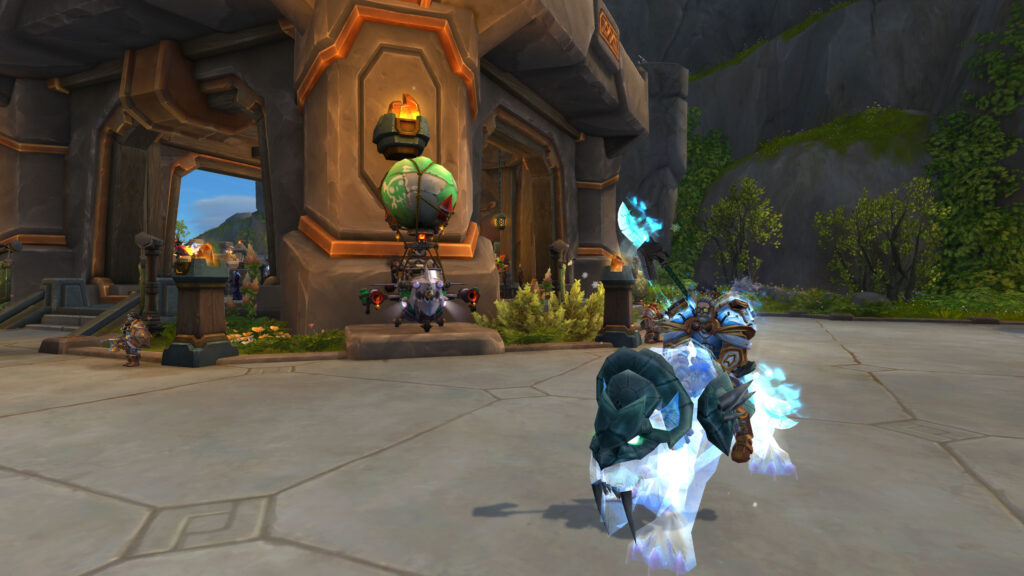
Write down the performance benchmarks for each role: healers should hit a certain throughput in key phases, damage dealers need a baseline DPS on practice targets, and tanks must hold threat without dropping below a survivable health threshold. Match these goals with specific gold purchases: if your mage lacks a burst trinket, set aside gold to buy it; if your raid needs more resilience, fund the purchase of high‑end shields and cloaks. By linking each gold expense to a clear outcome—like faster kill times on the third boss or smoother survival on the fourth—you ensure every coin you spend moves your team closer to its goals. This focused approach stops random gold use and aligns your purchases with measurable raid progress.
Allocate Your Gold Budget
With your goals in place, break down your total gold pool into categories that cover every need. A simple split might look like this: 50% for gear upgrades, 20% for raid consumables, 20% for enchants and gems, and 10% for repairs and emergency use. If you have 1,000,000 gold, that means 500,000 gold for weapons and armor boosts, 200,000 for flasks, potions, and buff foods, 200,000 for high‑end enchant scrolls and meta gems, and 100,000 held back for on‑the‑fly repair costs or last‑minute buys.

Adjust these percentages based on your team’s weak spots: if everyone has good gear but lacks flasks, shift more gold into consumables. Keep a clear fund label in your bank—mark a single stack of 1,000,000 in a separate bag or tab—and track each spend by deducting from the relevant category. This method prevents overspending in one area and makes it easy to see at a glance how much remains for each need. A well‑structured budget ensures your raid has the right resources at the right time and keeps your gold use transparent and efficient.
Stock Raid Consumables
Keeping your raid stocked with consumables prevents last‑minute farming runs and ensures every pull benefits from maximum buffs. Plan your consumable buys based on group size and expected pulls per night. Use the list below to guide your purchases:
- Flasks and Cauldrons
- Flask of the Iron Giant (strength or agility boost)
- Flask of Spiritual Clarity (Intellect boost)
- Potions
- Potion of Mighty Restoration (emergency heal)
- Potion of Unbridled Fury (short‑term damage spike)
- Food Buffs
- Spiced Stormscale Tacos (mastery and versatility)
- Savory Steam‑Grilled Feast (mixed stat boost)
- Runes and Scrolls
- Rune of Critical Warding (+100 Crit)
- Scroll of Haste (+120 Haste)
For a 20‑player raid with an average of 15 pulls, you might stock: 40 flasks, 100 potions, 100 food buffs, and 30 scrolls. Order these in bulk on the Auction House during off‑peak hours or just after vendor restocks to get the best prices. Store them in a shared guild bank tab or in raid‑assigned bags for quick distribution. Having consumables ready lets your team focus on mechanics instead of asking “Who has a flask?” during boss fights.
Fund Enchants and Gems
Well‑enchanted gear and socketed gems add the final edge to performance. Use your enchant and gem fund to buy high‑end enchant scrolls and cut gems that match each class’s best secondary stats. Follow these steps:
- List Required Enchants and Gems
- Weapon: Mark of the Primed Batteries (+120 Attack Power)
- Chest: Enchant Chest – Greater Versatility (+100 Versatility)
- Meta Gem: Radiant Seraphic Sphene (on‑use damage proc)
- Compare Auction House Prices
- Check scroll and cut gem listings during off‑peak times.
- Note bulk lot discounts for multiple scrolls or gem cuts.
- Set Purchase Triggers
- Buy when prices fall 10% below your budgeted gold per scroll or gem.
- Allocate by Role
- Healers: focus on Versatility and Haste gems.
- DPS: aim for Critical Strike and Mastery cuts.
- Apply Immediately
- After purchase, schedule a quick enchant‑and‑socket session before the raid night.
By funding enchants and gems early, your team launches each boss fight with maxed‑out stats. Quick application means no one enters a pull with an empty socket or outdated enchant. This final layer of preparation ensures your raid brings every tool available to secure kills and push progress further.
Support Alt and Off‑Spec Raiders
Every full roster can’t always make raid night, and having alternates or off‑spec players ready can save your progression when someone drops out. Use part of your loot fund to buy heirloom set upgrades or second gear sets for these stand‑in players. With 30,000 to 40,000 gold, you can fully upgrade an alt’s heirloom weapons, chest, trinkets, and rings, giving them a jump‑start on leveling and gearing so they slot into your raid group without holding it back.

Alternatively, invest in a duplicate set of high‑item‑level armor and weapons for off‑spec roles—tanks who switch to healers or DPS who fill in as support casters. Keeping these sets on a secondary character or bank alt ensures you never have to cancel a raid because someone is under‑geared. Coordinate with your raid team to assign these resources: ask players to share gear needs in advance and use your gold to fill missing slots. This approach turns potential absences into smooth swaps, keeping your progression on track. When backup players have gear ready, you maintain full raid strength and morale stays high. Using gold this way protects your raid schedule and keeps every team member engaged, whether main or alternate, without time‑consuming farm runs.
Create an Emergency Gold Fund
Even with careful planning, surprises happen: a key player might lose a gear piece, a new boss may demand unexpected consumables, or a repair vendor might charge extra due to a glitch. To cover these unplanned costs, set aside a small emergency fund—around 5–10% of your total raid budget. This fund can pay for last‑minute enchants if someone forgot to apply their weapon scroll, small stacks of resistance potions for a surprise phase, or even a quick token upgrade to replace a broken trinket. Keep this emergency gold in a separate bag or character so it’s never mixed with your main budget.

If you need to use it, log the expense in your raid treasury notes and replenish it before the next session by diverting a small percentage of loot or sale proceeds. Having this buffer means you won’t have to pause a boss fight to farm or borrow gold from guildmates. It also reduces stress, since leaders and officers know that rare costs can be covered instantly. Over time, restoring the emergency fund becomes part of your post‑raid routine, ensuring the fund grows back and is always ready for whatever comes up during your most challenging runs.
Conclusion
Using WoW gold for sale to power your raid team creates a smoother, more focused experience. By investing in high‑item‑level gear, stocking essential consumables, funding enchants and gems, covering repairs, equipping stand‑in players, and holding an emergency reserve, you eliminate the common roadblocks that lead to wipe loops and stalled progress. Each gold purchase directly links to a raid need—whether it’s more damage, stronger heals, faster travel, or reliable backups—and every fund category ensures your team stays ready for each pull.
This system frees your group from side tasks and farming chores, moving you straight into strategy practice and boss execution. As a result, your raid nights become more efficient, morale stays high, and your team pushes deeper into content with confidence. Next raid, check your gold reserves, allocate to each category, and hit the start button knowing you have the resources to power every phase of the fight. With this financial support in place, your raid can focus on what matters most: mastering encounters and claiming victory.