
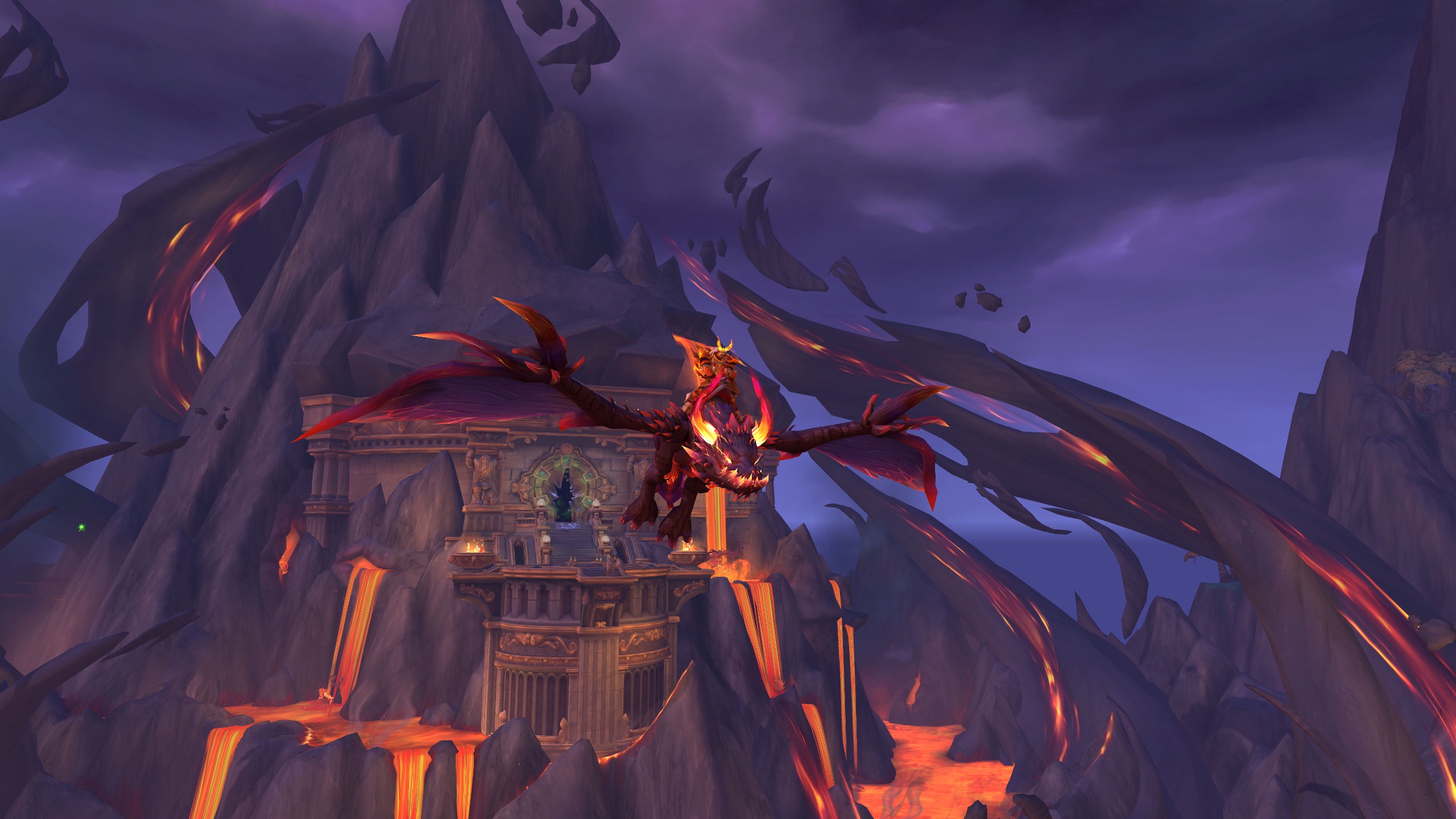
To succeed in WoW raids, you need to master role-specific strategies. For tanks, focus on key mechanics, threat management, and positioning, and communicate effectively. Healers, prioritize quick reflexes, situational awareness, and mana efficiency. Role-swapping can benefit the group if managed strategically. Set expectations and manage burnout by balancing role demands. Practice effective cooldown management and adjust to changing circumstances. A well-rounded group with clear expectations is key to success. Continue to optimize your strategies for a smoother raiding experience.
Key Takeaways
- Tanks should master key mechanics, manage threat, position strategically, and communicate effectively.
- Healers must maintain situational awareness, manage stress, preserve mana, and coordinate with the team.
- DPS should practice regularly, manage resources, optimize movement, and adapt to cooldown usage.
- Adapting to changing circumstances, coordinating cooldown usage, and making quick decisions are essential for raid success.
- Understanding class diversity, role flexibility, and delegating responsibly help minimize burnout and enhance team performance.
Tanking for Success
Tanking for Success
To excel as a raid tank in World of Warcraft, mastering key mechanics and communication are crucial for a smooth and successful raid experience. One pivotal aspect is threat management. This involves maintaining aggro on all necessary mobs and making sure that the rest of the raid team isn’t accidentally pulling threat. Effective threat management requires an in-depth knowledge of your tank spec, along with situational awareness and quick reactions to adapt to changing circumstances.
Proper positioning is also important, as it greatly impacts your survivability and ability to protect your team. This involves strategic placement during battles, positioning yourself optimally to mitigate damage and ensure your healers can keep you alive.
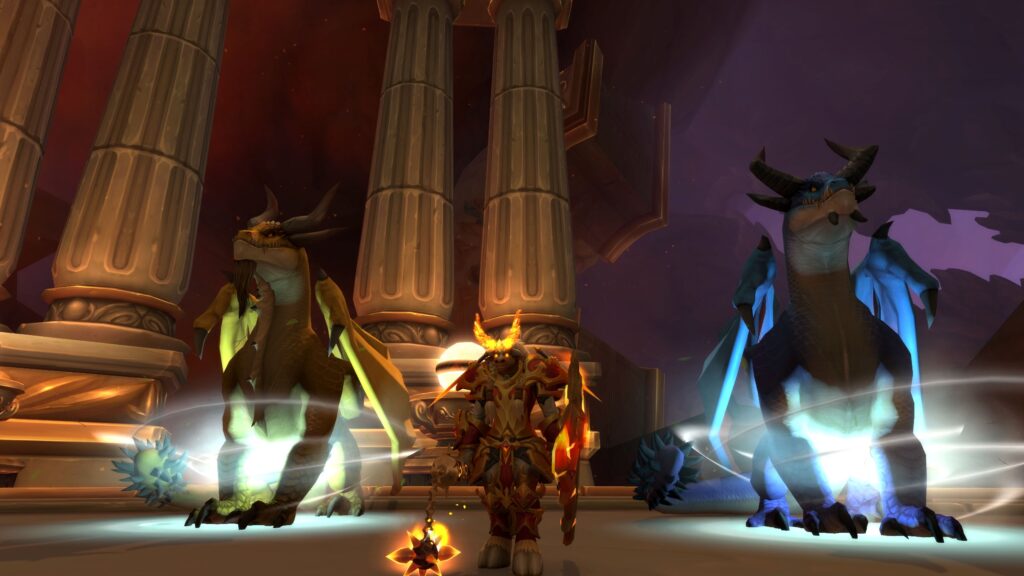
In addition to these key mechanics, communication is essential. Clearly calling out your intentions, like warning the team about upcoming boss abilities or overly aggressive mob pulls, helps ensure everyone is on the same page. It’s vital to be vocal and concise in your calls, keeping your team informed to prevent avoidable mistakes.
With a strong grasp of threat management and positioning tactics, combined with effective communication, you’ll set yourself up for success in any raid encounter.
Healing Under Pressure
You’ll need to develop quick reflexes and sharp situational awareness to adapt to the complex demands of healing in high-pressure raid scenarios. As a healer, you’re responsible for keeping your teammates alive while maneuvering through intricate fight mechanics and timings. Effective stress management is vital; breathe deeply and maintain focus to avoid mental burnout.
Quick decision making is crucial during intense battles when you have mere seconds to respond. Practice reaction times by anticipating damage spikes and pre-empting them with correctly timed cooldowns. Stay alert for mistakes by other players and instantly adjust your strategy to compensate. Use addons and tools to track healing spells, cooldowns, and the casts of your fellow healers to better coordinate your actions.
In addition, prioritize mana efficiency to maintain a steady flow of healing throughout the battle. Avoid excessive healing and focus on conserving mana reserves during lulls.
Mastering DPS Rotations
To master your DPS rotations, you’ll need to commit to regular practice, ensuring that your basic rotation becomes second nature.
Effective mana management is also critical, as sustaining your damage output relies on understanding cooldowns, spell usage, and efficient resource allocation.
Rotation Practice
Mastering your DPS rotation means dedicating time to practice efficiently on training dummies to embed the sequence into your muscle memory. This will help you focus on other aspects of the fight when in a raid. By consistently practicing your rotation, you can optimize your combat timing and achieve greater efficiency.
Key aspects to focus on during practice include resource conservation and movement optimization. Be certain that you’re using your abilities at the right times to maximize damage output while minimizing waste. Additionally, work on smooth and precise movement to avoid lost time during combat. This will translate directly to improved performance in raids.
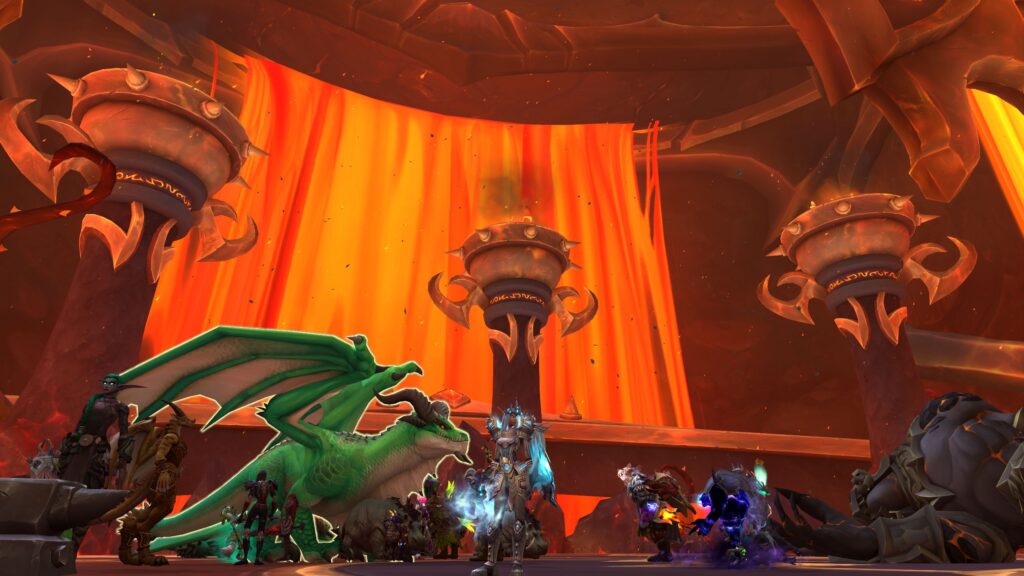
Practice consists of repetitive cycles of your rotation to build muscle memory. Start with simpler builds and gradually add complexity as you become more comfortable. Utilize tools like WoWHead and Icy Veins for guides and target dummies for execution.
Analyze your performance, adjust your strategy, and continue refining your skills until your rotation becomes second nature.
Mana Management
Optimizing your mana management is vital for maintaining consistent damage output throughout a raid encounter. As a DPS player, you want to make sure that your mana levels are always comfortably above the red zone to avoid any interruptions.
One key aspect of mana control is potion usage. Timing your potions to align with crucial phases of the fight can greatly enhance your overall damage. For instance, using a mana potion during a burn phase can help you sustain your rotation without running out of mana.
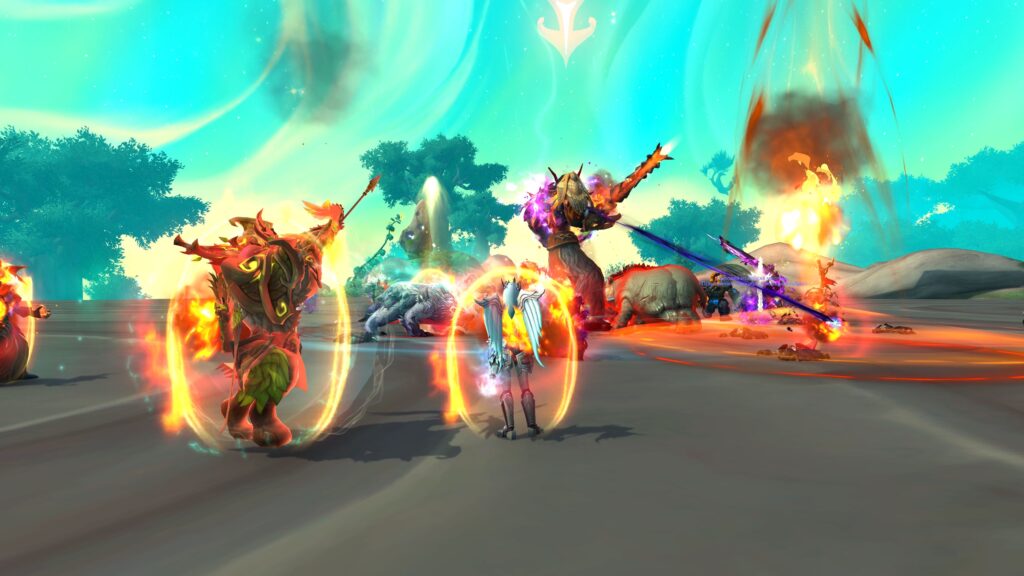
Spell prioritization is also pivotal for efficient mana utilization. Focus on using spells that offer a high damage-to-mana cost ratio, and consider saving your more expensive spells for moments where they can have the most impact.
Additionally, utilize regeneration techniques such as Shadowfiend or Innervate, depending on your class, to replenish your mana during quieter periods in the fight.
Combat Awareness
When raiding, you need to stay sharply tuned to the unfolding battle and react swiftly to changes in the fight, ensuring you adapt your DPS rotation on the fly to maximize damage output.
Combat awareness is important for achieving best performance. This involves tactical positioning to avoid area-of-effect damage without compromising your attacks. Develop situational awareness by actively tracking health bars, debuffs, and cooldowns to adjust your strategy accordingly.
Effective threat management is also key. Be mindful of your aggro levels, especially in relation to your tank. Target priority is essential, ensuring you focus on the most crucial foes. Practice your rotation on training dummies to develop muscle memory for smooth shifts between targets.
Mindful of your surroundings, anticipate potential issues and be prepared to adapt quickly. Stay calm under pressure and maintain your situational awareness.
Execution and Adaptation
To effectively carry out raid strategies, you’ll need to adapt to changing circumstances during fights by staying attentive to mechanic calls and relying on effective communication from your raid leader. As the fight unfolds, stay focused on the current mechanic and adjust your actions accordingly. If a mechanic fails, immediately shift your attention to preventing further damage while your team recovers.
Additionally, be mindful of any cooldowns that need to be utilized and coordinate with your team to make sure seamless execution.

Execution techniques involve more subtle adjustments like optimizing your rotation, managing cooldowns, and maintaining situational awareness. For example, in fights where AoE damage is prominent, timers can be critical in planning rotation swaps and making sure that your defensive abilities are active at the right moments.
Effective execution requires synchronization between teammates and quick decision-making to counteract any mistakes.
Role-Specific PvP Strategies
While your raid leader guarantees effective communication, in the high-pressure environment of PvP, every class needs to master its unique strategies to outmaneuver opponents effectively. Here are some role-specific tips to help you excel in PvP:
Role-Specific Strategies
| Role | Key Strategies | Additional Tips |
| DPS | Focus on burst damage, use cooldowns wisely, and master your rotation to maximize damage output. | Pay attention to enemy cooldowns and use crowd control to set up for big hits. |
| Healer | Manage your mana by healing during downtime and conserving energy for intense fights. | Anticipate damage ahead and pre-heal to prevent major health losses. |
| Tank | Control the flow of battles by expertly managing aggro and positioning yourself strategically. | Use your abilities to absorb damage and protect your team..”
These strategies, when combined with positional awareness, cooldown management, and proper crowd control, will significantly enhance your PvP performance.
Effective Raid Leadership
As you step into the role of a raid leader, managing raid composition effectively is essential.
You should also learn to delegate responsibilities to avoid burnout, which quickly becomes a major obstacle in maintaining a successful raid team.
Remember to stay focused on the long-term goals and recognize the loaded tasks your team members need help with.
Raid Composition
When assembling your raid team, understanding and securing the best mix of tanks, healers, and DPS is crucial. A well-rounded composition can make all the difference between success and failure.
A common mythic raid setup includes 2 tanks, 4 or 5 healers, and the rest as DPS. However, this proportion can vary depending on the specific fight and the level of challenge. For example, some encounters may necessitate a fifth healer for extra support, while others might call for a third tank for enhanced control.
Understanding class diversity and how each class contributes to group synergy is vital in building an effective raid team. Role flexibility is also key, as players need to adapt to different raid dynamics. For instance, a priest can easily shift from healing to DPS if necessary.
Delegation and Burnout
To guarantee the longevity and success of your raid team, it’s important to delegate tasks effectively and manage burnout by assigning responsibilities and setting clear expectations among raiders.
Effective delegation strategies involve defining roles, setting specific goals, and providing necessary tools and resources to ensure each raider achieves their objectives. This approach helps to share the workload, prevent fatigue, and promote a team-oriented environment.
Burnout prevention is essential, especially for raid leaders. Leaders must set boundaries, manage their time efficiently, and prioritize tasks. They should also establish a support system within the guild, where officers and members can share responsibilities and provide assistance when needed.
This includes delegating tasks such as event planning, attendance management, and communication to other officers or members. Key tools like Discord and calendar events can be used to streamline these processes.
Preventing Raid Wipes
How can you minimize the likelihood of a wipe by effectively managing your raid strategy and player roles?
The key to success lies in mastering certain skills, particularly positioning tactics and team communication. Make sure that each player knows their specific duties and stays in sync. For instance, healers need to manage cooldowns and resources efficiently, while tanks must communicate their plans clearly. DPS should maintain positioning that allows for intuitive movement and coordination. By doing so, your team can adapt to unexpected challenges and maintain a cohesive response to raid mechanics.
In raid settings, it’s important to manage cooldowns wisely and allocate resources properly. This includes both personal cooldowns and raid-wide abilities, like battle resurrections or area of effect healing. By balancing these tools, you can mitigate mistakes and prevent avoidable deaths.
Ensure that all players understand their roles in managing these critical resources, as miscommunication can lead to significant delays and wipes. Effective resource management is the backbone of a successful raid, so make sure to stay vigilant and adjust strategies as needed.
Managing Group Composition
Your raid group’s composition can greatly impact its overall performance and success in conquering Azeroth’s toughest raids. Great composition not only ensures synergy between classes, but it also allows for flexibility in roles and strategic swaps during encounters. This is particularly important when certain abilities or buffs are necessary to succeeding in specific fights.
| Roles | Synergy | Flexibility |
|---|---|---|
| Tank | Managing aggro | Adapting to unexpected adds |
| Healer | Replenishing party health | Rotating between healing targets |
| DPS | Maximizing damage output | Adjusting rotation for diverse mechanics |
For example, a healer’s ability to quickly replenish health during intense damage phases can be pivotal in keeping the group alive. Similarly, a DPS class with abilities that work well with other roles can greatly improve overall damage output. When selecting group members, consider not only their individual strengths but also how they can blend with other players.
Frequently Asked Questions
What Is the Best Order to Gear in a Raid?
When prioritizing gear in a raid, focus on a balanced distribution for best performance. Typically, gear healers and tanks with tier items to guarantee survivability, then focus on DPS to enhance overall damage output.
This order guarantees your team can heal through damage and stay alive while dealing sufficient damage to bosses. Effective loot distribution and gear priority will notably improve your raid’s performance.
How Do You Handle Tanking Issues in a Fight?
To handle tanking issues in a fight, always prioritize proper tank positioning and aggro management. Make sure you’re facing the right direction, as misaligned positioning can cause problems.
When taunting, immediately use high damage abilities to solidify aggro. Manage cooldowns carefully, as incorrect use can lead to aggro loss.
Communicate with your team to adjust DPS output and avoid pulling aggro from you.
Can a Stronger Healer Replace a DPS Player?
Can a Stronger Healer Replace a DPS Player?
When it comes to balancing healing and DPS in WoW raids, flexibility is vital. A stronger healer can compensate for some DPS shortcomings but can’t replace a DPS player entirely.
While a healer can help recover from mistakes, they can’t directly contribute to the damage needed to defeat bosses. DPS players are essential for dealing damage and avoiding failure on mechanics that can lead to wipes.
What Strategies Adjust for Lower Raid Sizes?
Regarding the current question about strategies adjusting for lower raid sizes, consider multiple factors.
Smaller raid sizes, such as 10-player or 12-player versions, impact how mechanics are handled. This could lead to a greater emphasis on player adaptability and coordination, as each role becomes even more critical to the team’s success.
Adapting strategies to these smaller raid sizes may involve tailoring classes to compensate for the reduced number of players.
Does Raid Size Impact Success in Certain Encounters?
Success in WoW raids undeniably depends on raid size. Composition plays a significant role, as it directly affects encounter difficulty and overall coordination. Effective communication is pivotal for successful raids, particularly in lower raid sizes where individual responsibilities are more pronounced.
Understanding each role’s strengths and weaknesses is essential to adaptability and makes all the difference in overcoming challenging encounters.
Conclusion
While tanking requires strategic knowledge and timely responses to mechanics, healing involves adapting to unpredictable player movements and managing multiple targets at once.
DPS roles demand high situational awareness, efficient rotations, and precise damage dealing. In PvP, healers need to anticipate and respond quickly to sudden damage, whereas DPS players focus on burst damage and effective use of utilities.
Effective raid leadership requires clear communication, step-by-step guidance, and reactive planning to minimize raid wipes and guarantee smooth progression.